Inorganic chemistry is a fundamental branch of chemistry that studies the structure, properties, and reactions of inorganic substances, including metals, minerals, salts, acids, bases, and industrial compounds. This field is closely related to physical entities such as atoms, ions, molecules, crystals, and solid materials, which determine the behavior and applications of chemical substances. Industrial crystallography plays an important role in inorganic chemistry because it helps identify crystal structures, understand material properties, and improve the quality of industrial products.
Several major inorganic compounds are produced on a large scale for industrial and agricultural use. Ammonia is synthesized by the Haber–Bosch process through the reaction of nitrogen and hydrogen under high pressure and temperature in the presence of an iron catalyst. Nitric acid is mainly produced by the Ostwald process, which involves the catalytic oxidation of ammonia. Sulfuric acid, one of the most important industrial chemicals, is manufactured by the Contact process through the oxidation of sulfur dioxide to sulfur trioxide, followed by absorption in water. These processes demonstrate the importance of inorganic chemistry in industry, especially in the production of fertilizers, explosives, detergents, dyes, pharmaceuticals, and other chemical products. The study of inorganic chemistry and industrial crystallography is therefore essential for understanding material synthesis, chemical manufacturing, and technological development.
- Enseignant: hmouffok Hadjer Mouffok
This course forms a core foundation in industrial engineering education. It bridges the gap between energy science (physics, thermodynamics, chemistry) and applied engineering (process design, optimisation, environmental management). It prepares students to face today’s global energy challenges:
- reducing energy consumption,
- decarbonizing industrial systems,
- and designing environmentally responsible industries.
Through this course, each future engineer will be prepared to become an active participant in the energy transition, capable of innovating while adhering to the principles of sustainable development.

About This Course
The Probability and Statistics course provides an essential introduction to data analysis tools, which are indispensable in engineering studies. It enables learners to understand how to collect, organise, analyse and interpret data from real-life situations related to industrial processes. This course provides them with the necessary foundations for modelling phenomena, assessing uncertainties and basing their technical decisions on rigorous analysis. It thus plays a fundamental role in their ability to exploit experimental data and improve the performance of the systems and processes they will encounter throughout their careers.
Targeted Competencies
Fundamentals of probability and statistics
Data classification
Calculation of descriptive statistics
Decision-making and prediction
Requirements
Master basic mathematical concepts
Solve simple mathematical problems
Apply basic logic and reasoning
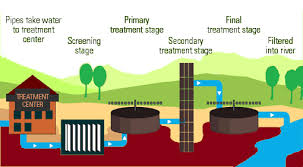
This three-year engineering program specializes in Water Treatment Technology and Sustainable Water Resource Management (TTEE), equipping students to address critical challenges such as water scarcity, quality degradation, and environmental impacts. Graduates develop multidisciplinary expertise in engineering, chemistry, biology, and water systems management, enabling them to effectively address environmental, industrial, and societal water-related challenges.
- ---Be introduced to basic technical terms related to water treatment and operations.
- ---Understand the importance of technical English in their field.
- ---Improve skills in technical writing, communication, and presentation
- ---Gain confidence in discussing water treatment technologies and innovations
- Enseignant: bechohra louiza bechohra louiza
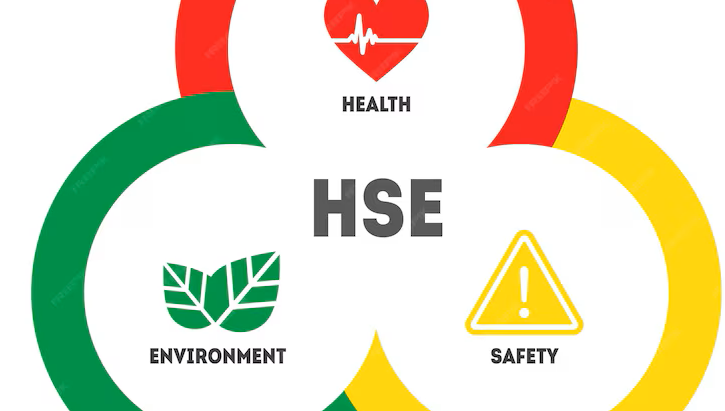
On completion of this module, 2nd year engineering-process engineering students will be able to identify occupational hazards and risks, assess their severity and probability of occurrence, implement appropriate preventive measures and monitor the effectiveness of the safety measures put in place. They will also be able to identify how to prevent occupational accidents and illnesses, and promote a safety culture within a company.
- Enseignant: IKEZRANE KEZRANE Imane